

Neurodapt
Empowering Neurodivergent Minds Through Structure and Technology
About the Founder
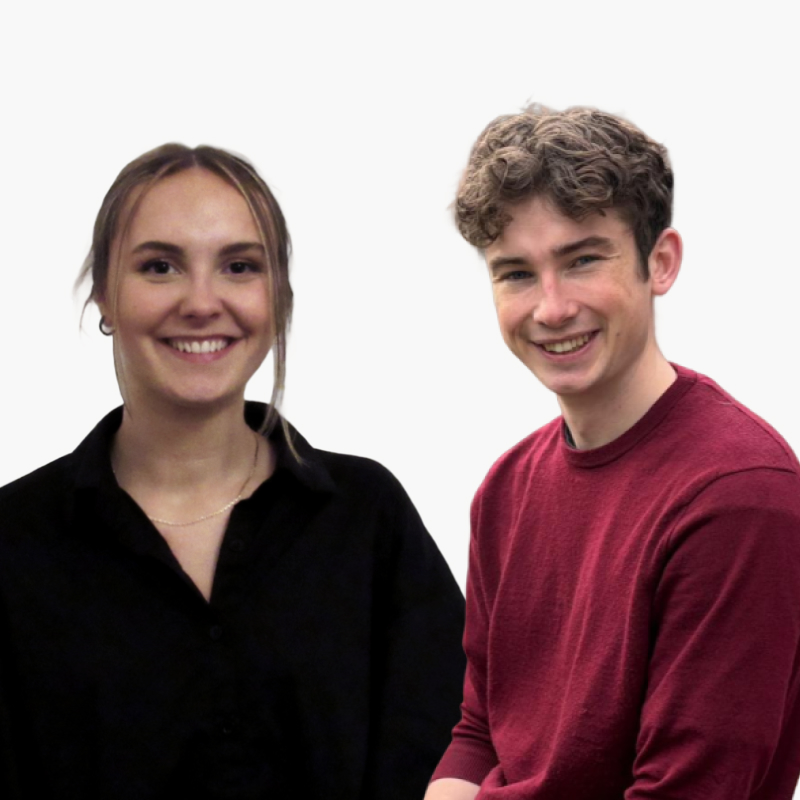
Daniel Brown
Daniel is a neurodivergent product designer and the recipient of the University of Strathclyde’s Summer Founder Fellowship. His collaborative work with Parkinson’s UK catalysed a long-term commitment to user-centred, inclusive design, which now underpins his leadership of Neurodapt’s commercial strategy. Daniel has previous experience of being involved in a startup through his role as a CAD Engineer with Nami Surgical, gaining real-time experience in early-stage business operations.
Alison Stobie
With a background in architecture and a part-time role at BDP, an international interdisciplinary design practice, Alison specialises in inclusive design for neurodiversity and education. She has served as an accessibility adviser on several large-scale projects, notably Strathclyde’s upcoming £30million Digital, Entrepreneurial, and Social Engagement Hub. Her academic work has been cited by the NISS symposium, and she brings lived experience of neurodivergence to her technical leadership. Alison was awarded the Innovate UK Unlocking Potential: Begin Award for her work on Neurodapt.
Objective
For many neurodivergent individuals, structure is more than routine. It represents freedom, confidence, and the ability to navigate daily life with less stress. Neurodapt was created from this understanding. Founded by Daniel and Alison through Strathclyde University’s Inspire Enterprise Programme, the project was born from a mission to support neurodivergent people, particularly children, in managing their routines in a simple and empowering way.
The founders approached LOOPSIO with a clear vision: to create a connected experience that links a mobile app with a companion wearable watch. Together, these two tools transform digital schedules into a tangible and supportive part of everyday life.
What We Delivered
LOOPSIO worked in close collaboration with the Neurodapt team to turn their early prototype into a fully functional hybrid product that combines digital technology with a physical, real-world experience.
Mobile Application
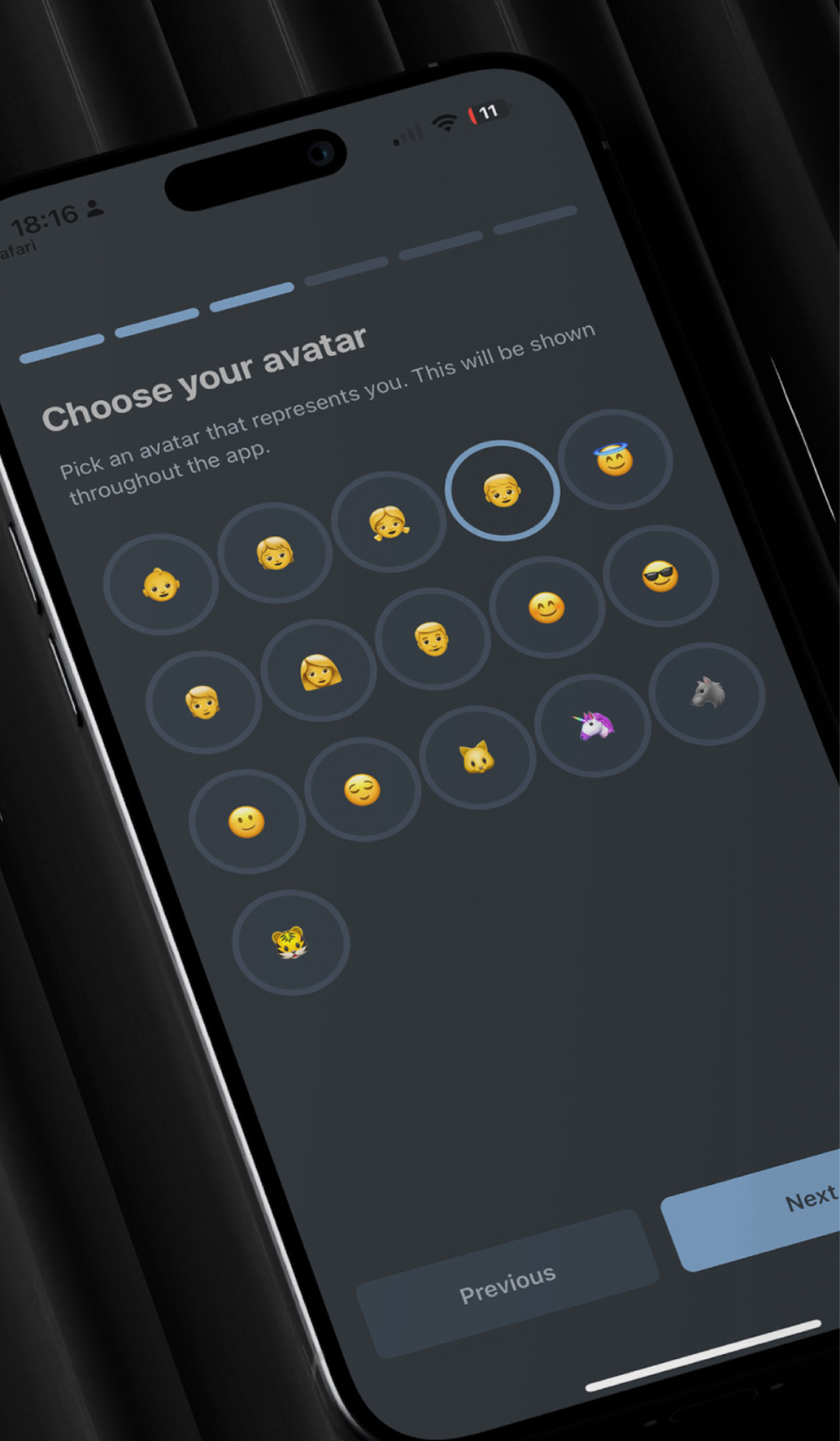
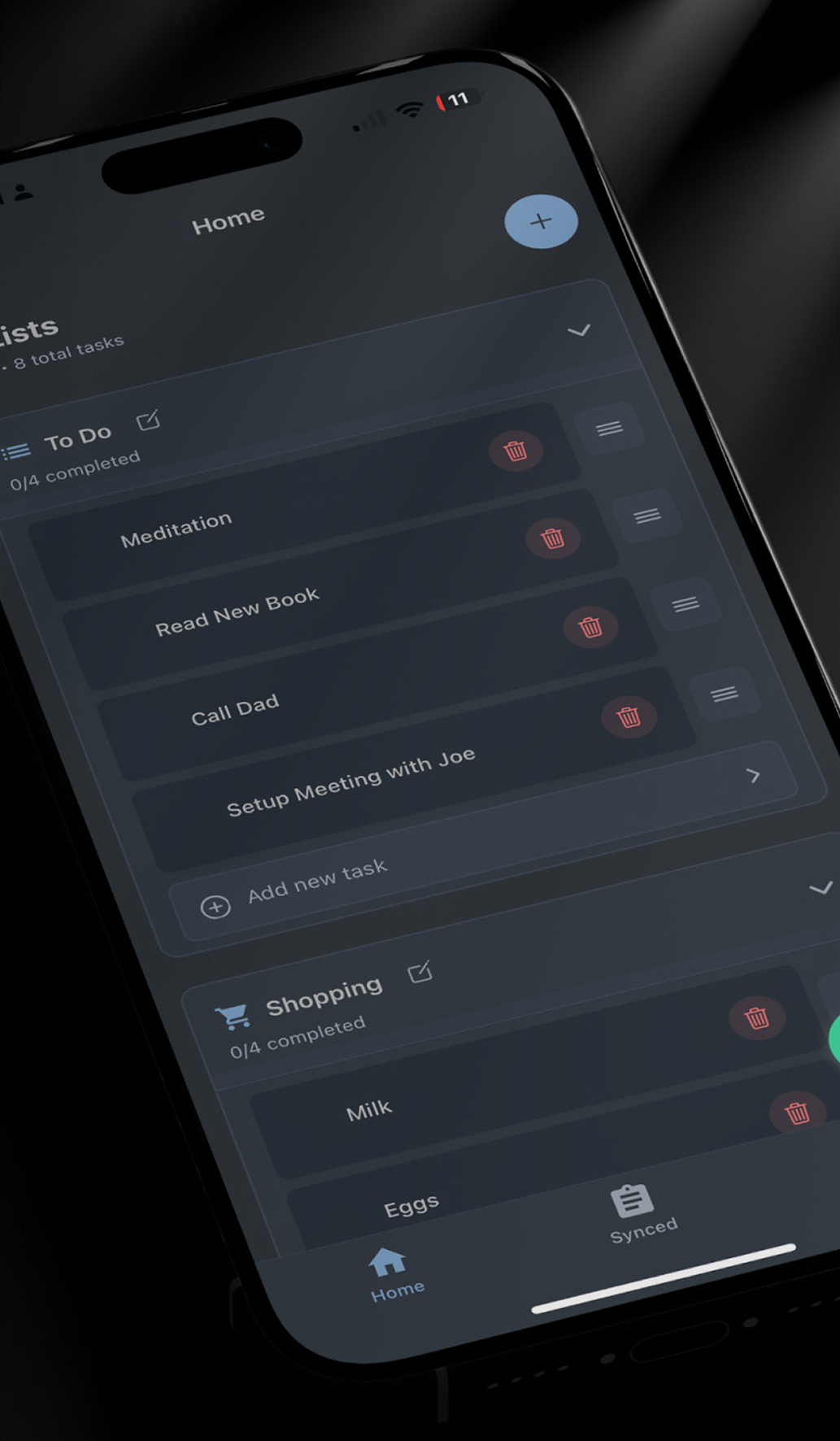
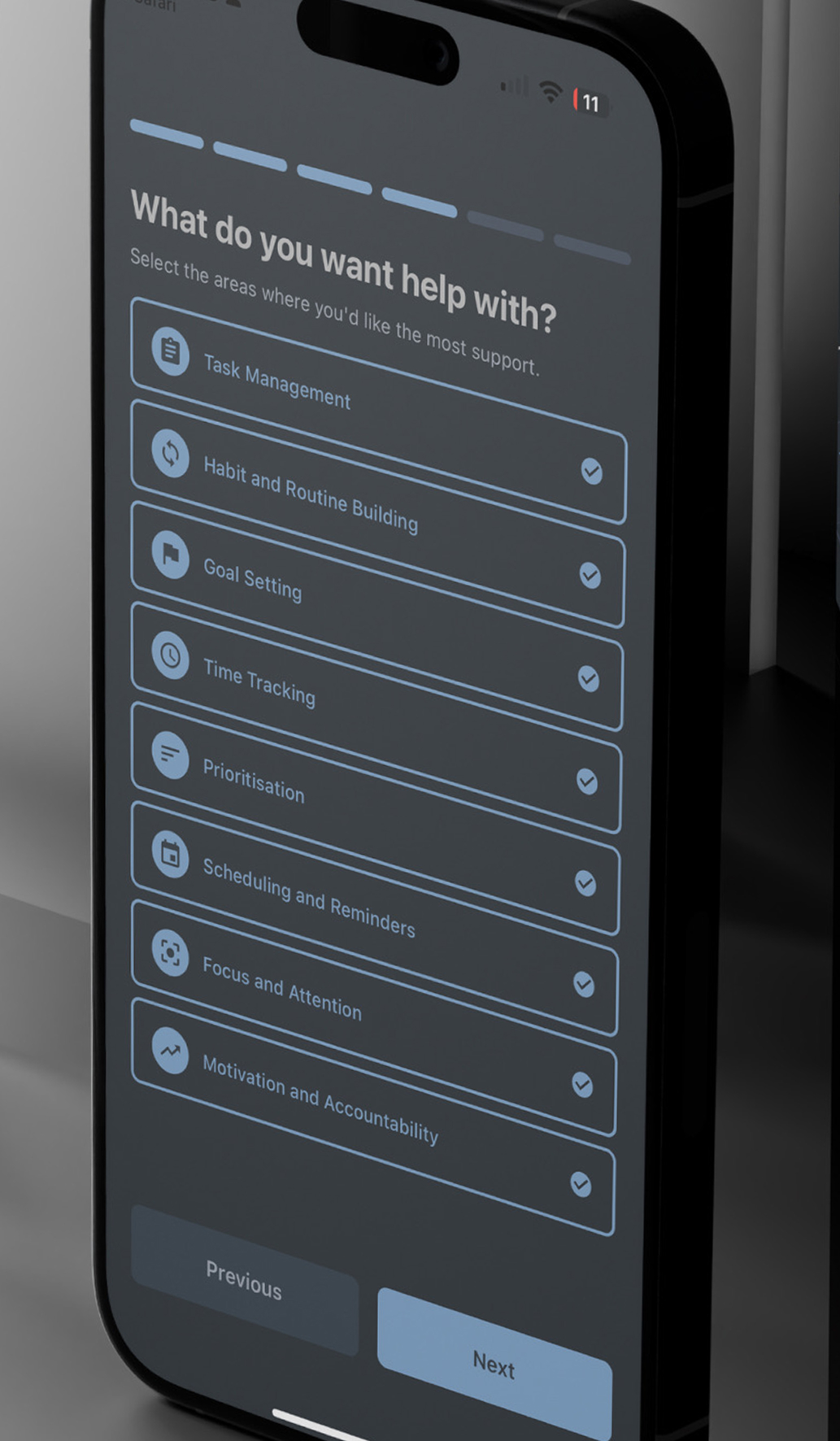
An intuitive app that helps users create and track daily routines with structure and ease. It supports both neurodivergent adults managing their own tasks and parents guiding their children’s schedules.
Companion Watch
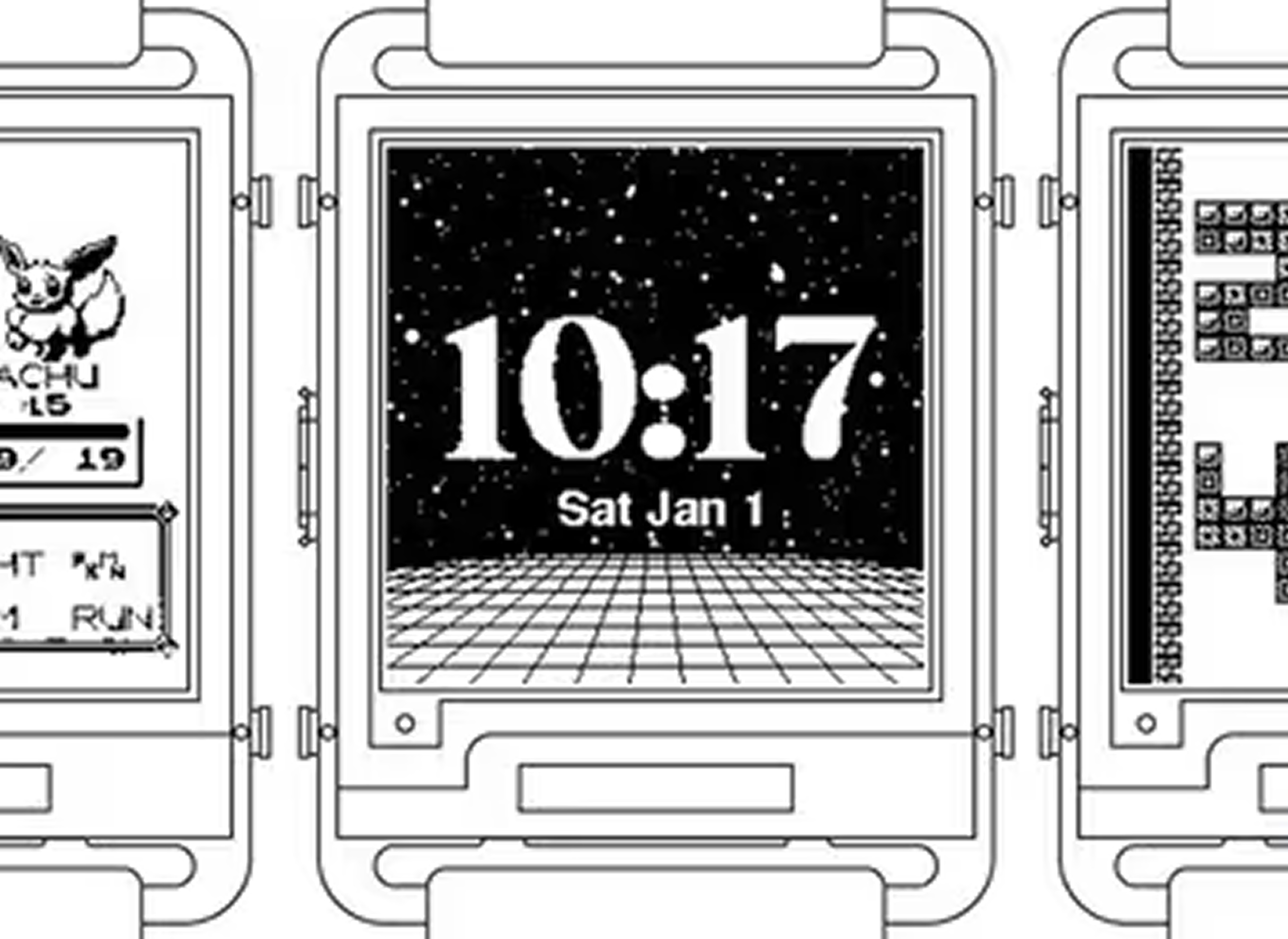
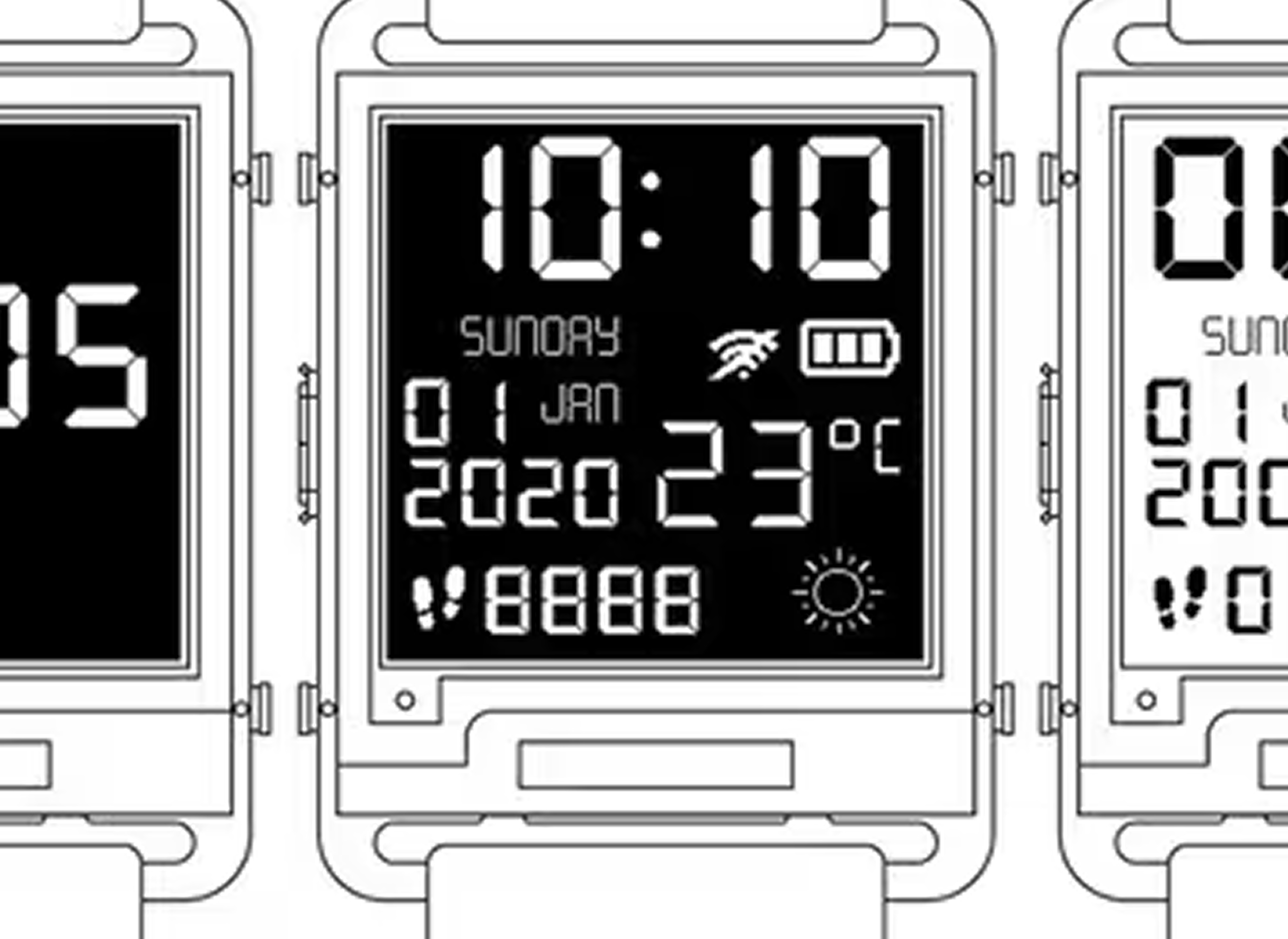
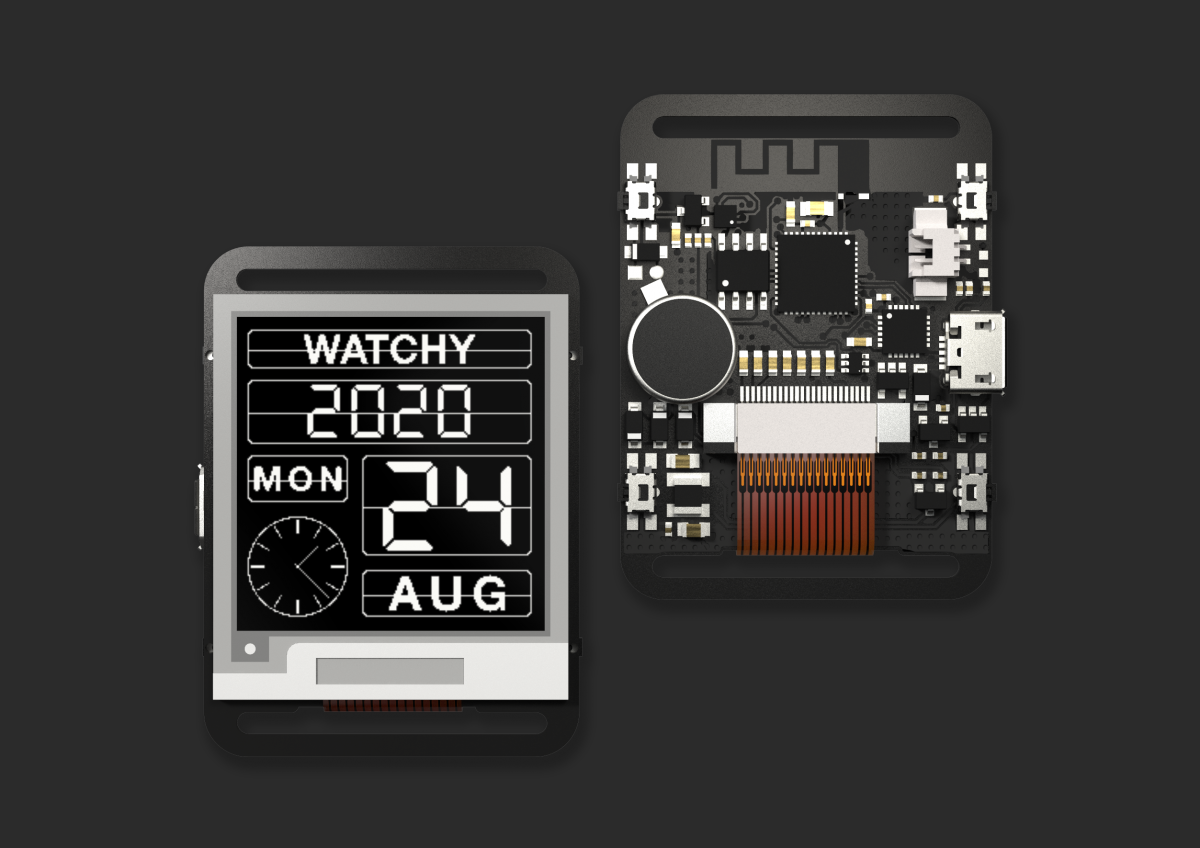
A wearable device that displays each task and lets users mark activities as completed throughout the day.
Real-Time Synchronisation
A secure and seamless data connection between the app and the watch.
Inclusive Design
A calm and accessible interface developed with a focus on clarity and usability for neurodivergent users.
Our Approach
The project was delivered in a structured and collaborative process that balanced innovation with practicality.
Discovery and Foundations
We began with the initial prototype and early Figma designs provided by the founders. Through detailed workshops and iterative discussions, we refined the product vision and mapped the user journey from both the parent and child perspectives.
Hardware Integration
Neurodapt involved Loopsio’s first experience with hardware programming. Our developers successfully configured and connected the open-source Watchy device to function in harmony with the mobile app. This connection ensured that each task added by a parent appeared instantly on the watch interface for the child.
Adaptive Teamwork
The development process lasted 16 weeks, with 12 weeks dedicated to active development and 4 weeks for evaluation. A strong management framework, clear documentation, and agile collaboration ensured steady progress throughout the project. Even as the team evolved, coordination and shared ownership kept development seamless and on track.
Iterative Design
Through multiple feedback sessions with the founders, we redefined the app’s visual language and user experience. The final design became cleaner, simpler, and more accessible, evolving significantly from the early drafts.
Challenges
Hardware Integration
Working with a physical device presented unique challenges that required new technical learning. The team achieved a reliable communication bridge between the app and the wearable device, establishing a foundation for future hardware-based projects.
Design for Neurodiversity
The app needed to balance structure with calm simplicity. The user interface was designed to avoid sensory overload and help users maintain focus through minimal visuals and straightforward navigation.
Evolving Product Vision
The founders came with a clear vision and an open approach to shaping the user experience. Through open communication and rapid iteration, LOOPSIO helped define the ideal product flow and turn an abstract idea into a working, meaningful tool.
Maintaining Continuity
A strong process and clear milestones allowed the project to stay on schedule and maintain consistency in quality.
Results
The project marks LOOPSIO’s first hardware and software integration, expanding the company’s technical capabilities and proving its adaptability to new forms of digital innovation.
Neurodapt demonstrates how technology can serve as a bridge between parents, caregivers, and neurodivergent users by providing structure and independence in a calm and supportive way.
Conclusion
Through this collaboration, Loopsio transformed a compassionate vision into a tangible tool that helps neurodivergent individuals and their caregivers build structure, confidence, and independence. The project highlights Loopsio’s strength in integrating software and hardware seamlessly, turning thoughtful ideas into practical, accessible solutions.
This project is a symbol of how empathy and innovation can come together to create meaningful impact.